Have you noticed that the experience on the web is getting worse? For my job I talk about digital experiences a lot. It’s not lost on me that for a lot of users, myself included, the experience of using the internet is getting worse not better. In another post I'm going to reflect on internet history as I'm from the generation that got there before the world even thought it might be anything other than a playground for hobbyists. I saw what that world was like, and I see what this one is like right now and for all the technological leaps forward I've got to say the overall experience is pretty dire.
If I’m trying to find a barber, I’m getting the experience of mostly being able to only find the barber middleman that isn’t a barber. The middleman that has put a platform together and is soaking up all that organic and paid search traffic which is the only way to browse the modern web. That platform is driven by the imperative of carving off more and more and more value in being a middleman year after year which means they do stuff like buying ads that force out other barbers, or hiring content writers so that good barbers now have to produce regularly refreshed blog and video content about barbering just to stay afloat in people’s search results. They start charging barbers to appear in their lists. Making barbers pay to appear in priority positions. They become a marketplace where dodgy stuff like paying to remove negative reviews, paying for preferential position, paying to get recommended first etc all become standard practice.
My experience is, I might be able to find a good barber. I might not. I’d probably be better just wandering the streets until I find one and hope for the best.
Have you noticed how shit that is for you, the user? A lot of businesses responsible for doing this talk a big game about “designing for delight” and “user centric design” and I do believe there are people in those businesses that truly want to do good work that’s useful for humans. I also believe the hard work of those people gets dashed on the rocks of extractive, short-termist commercial decision-making a lot of the time and that’s something I’m keen to explore in later articles.
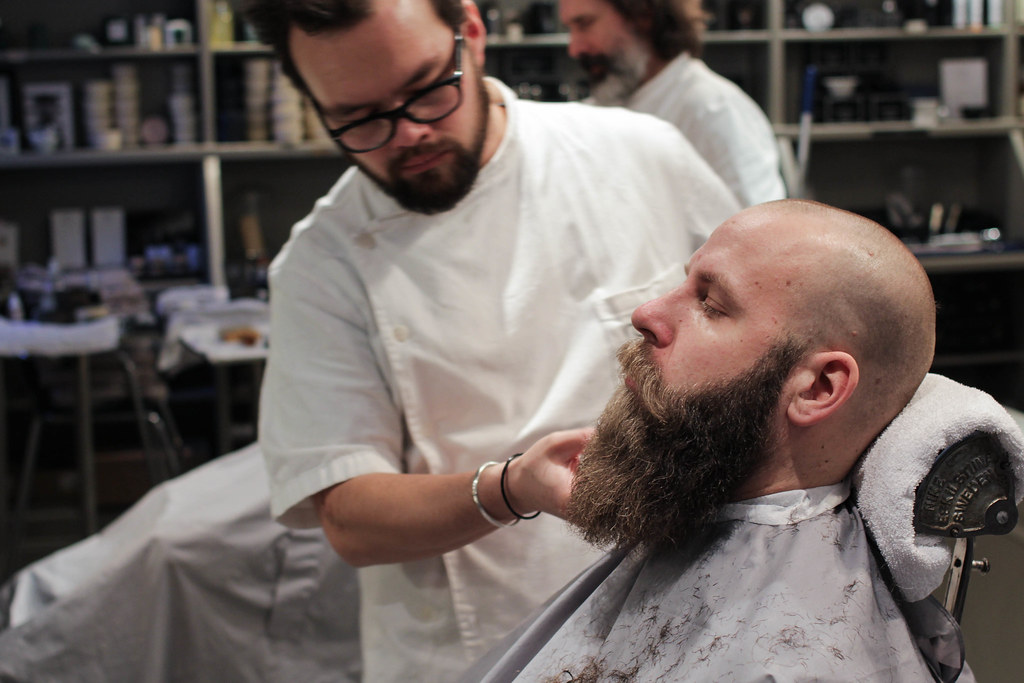
I thought we should start from a place of trust and that’s what this article is about. It’s about trust. I’ve been going to the same barber for over a decade. His name is Kieran and he works out of a shipping container on the outskirts of Leeds. I can confidently say I trust him with my beard more than I trust anyone else in this world. Including myself. What did Kieran have to do to earn that trust? Not much to be honest. He’s very easy to book with. He’s personable. He’s kind and he makes my beard look good. He could charge me more. I’d pay more. Kieran if you’re reading this, I would pay you more. Put your prices up.
Making my beard look better again? I’ve got a guy for that.
I’ve also been going to the same tattoo artist for over a decade for much the same reasons. Scott works out of a studio he owns on the outskirts of Leeds and has done over 95% of the tattoos on my body. I don’t go anywhere else. For a long time we had a standing appointment every month, where I’d show up and we’d work on something. He’s always been good with me. The rare occasions that I have to move or cancel something at late notice we have always worked it out, he doesn’t charge me extra for doing that, he’s easy to get in touch with. In return, I’m such a reliable customer that when I say I’m going to show up, I will show up. When its time for me to pay. I pay. In full. He doesn’t charge me a deposit anymore. I’ve earned his trust as he’s earned mine. Barring Scott retiring, it’s likely I’ll never go anywhere else to be tattooed.
Getting tattooed? I’ve got a guy for that.
Trust is important and it goes both ways. These relationships both started as digital ones and ended up as analogue ones. As the technology around us has decayed over the past 10 years and finding good people is harder and harder, I’ve really valued being able to keep these relationships going and they’re all relationships built on trust. The trust in these relationships was earned. It was never faked. The delivery of the service to a decent standard, by people who give-a-shit and who were easy to be around was all it took to build these lifetime relationships.
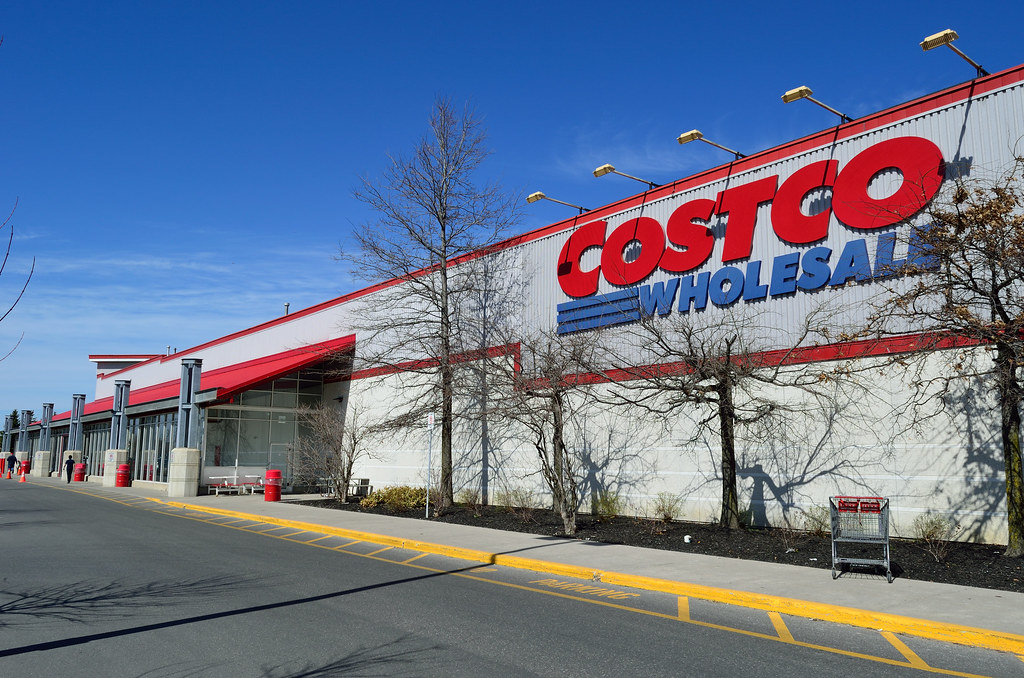
I believe that the role of trust in these relationships cannot be overstated. Consider, for example, the role and reputation of Costco and how they’ve built trust around the brand. It comes from very real decisions they’ve made. They’ve decided to almost never argue about any returns, regardless of the circumstances around those returns. That decision has then driven a number of changes within that business around purchasing. They are buying and stocking decent quality products and deliberately not stocking stuff where corners are cut in order to improve margins. Their ‘own brand’ Kirkland has earned its reputation for being of incredible quality compared to all other products in that same market. They’ve taken on almost all of the risk around a purchase, and therefore as a consumer, buying from Costco is usually a remarkably low-risk purchase. Other businesses would say “caveat emptor!” and show you to the door if your television broke 3 months into purchase, or if the stitching came loose in your t-shirt after a few washes.
That’s building brand trust. How do you do that on a website when your brand is unknown? It’s not easy and it’s not as simple as adding reviews, or putting social proof on. Those things might help, and you can experiment with them to understand their impact, but what was once novel is now mundane. Building trust frequently requires you to go above-and-beyond what is “normal” in order to stand out to your users.
Free trials for non physical goods. Returns policies you’re promoting instead of trying to hide. Onboarding support. Community-building around product ownership and usage along with a highly-engaged community team. Decent engagement on social issues. Supply chain transparency. Supply chain development which can demonstrate passion at each stage of the supply chain showing how well everyone is being treated and telling the story of how a product comes to life. Content about the people who work in your business that can tell your story. People can and will engage and respond to this but it’s all about authenticity. If you’re thinking of how you can hack this content together or fake it to try and convince people, then it’s likely to fall flat.
People will see right through a potemkin village setup designed to fake trust and, in the age where inauthentic content production is cheaper and easier than at any point in history, people are primed to distrust their eyes more than ever before.

Trust starts as an authentic dialogue with your end user. What do they want? What are their hopes, fears and aspirations? What can you do to address those in a way that can be easily understood? What can you do that’s material and real? How do you show up for these people in a way that competitors cannot or are simply not willing to do?
Be better. Another Web is Possible.